Indoor Wedding VenuesInquiry
HomeIndoor Wedding TypesLayoutsSeasonal WeddingsNYC AreasPlanning GuidesVenue
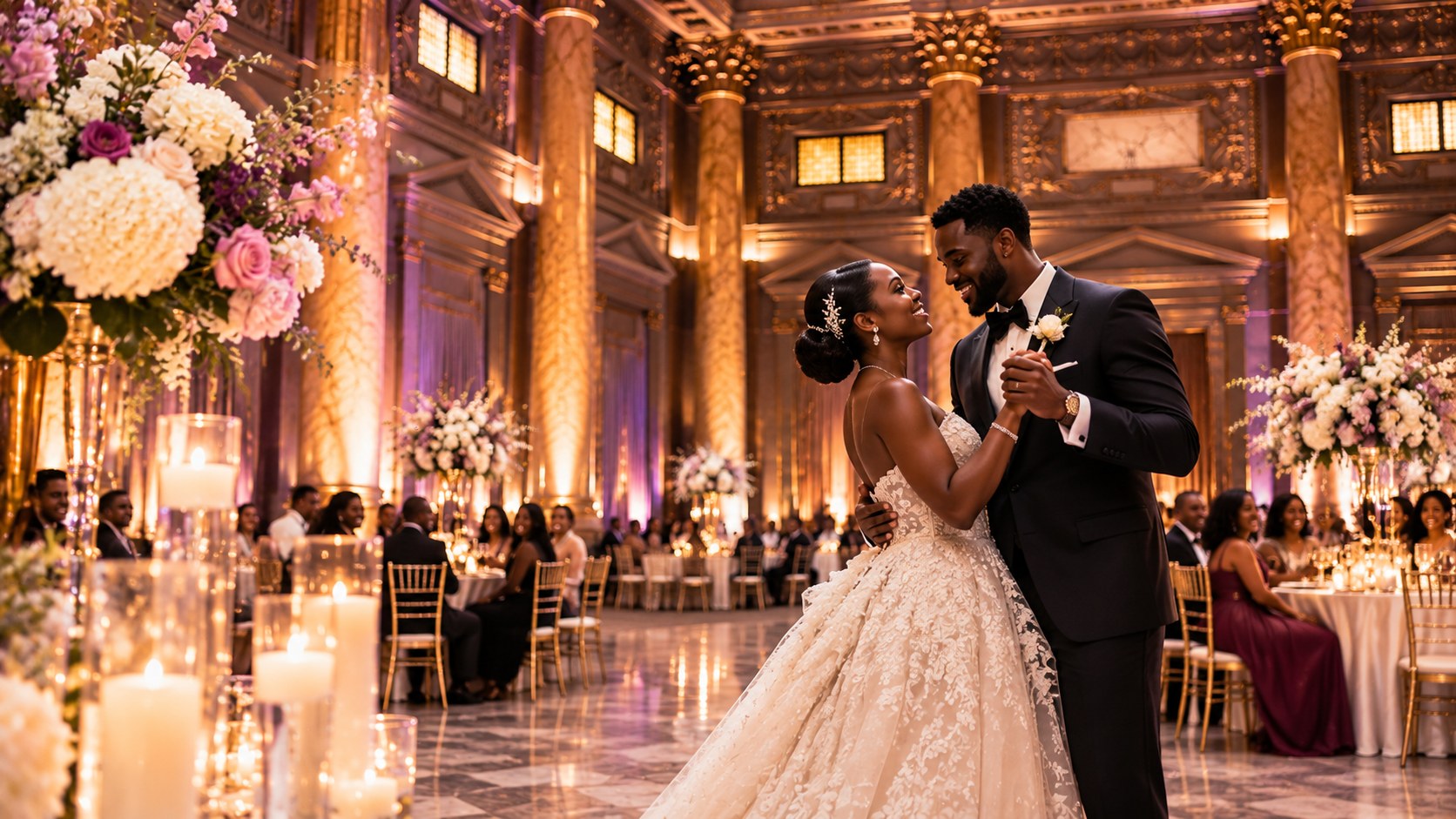
Historic indoor wedding venue in Manhattan with original architectural detail and period charm
Historic indoor wedding venue with original architectural detail and period charm — Indoor Wedding Venues, NYC

Historic Venues

Historic Indoor Wedding Venues in NYC

A historic indoor wedding venue is a landmark interior with architectural character and heritage charm — original moldings, period detail, and a sense of place that modern spaces cannot replicate. In NYC, historic venues include landmark ballrooms, restored industrial buildings, and cultural institutions. This guide covers planning needs, guest experience, lighting, decor, climate, accessibility, and venue requirements for a historic indoor wedding in NYC.

What makes an indoor venue historic in NYC

A historic indoor wedding venue is a landmark interior with architectural character and heritage charm — original moldings, period detail, high ceilings, and a sense of place that modern spaces cannot replicate. In NYC, historic venues include landmark hotel ballrooms, restored industrial buildings, civic halls, and cultural institutions with decades or centuries of history embedded in their walls.

The appeal of a historic venue is authenticity. The architecture tells a story before you add a single decoration, and that story gives your wedding a sense of permanence and place. The trade-off is that historic buildings come with preservation considerations — some decor, lighting, and rigging options may be restricted to protect the architecture. Planning around these constraints is part of choosing a historic venue.

  • ✓Original architectural detail — moldings, columns, ceilings
  • ✓A sense of place and history modern spaces cannot replicate
  • ✓Climate-controlled comfort inside a landmark interior
  • ✓Photographic character that needs little added decor
  • ✓Preservation considerations for decor and rigging

Guest experience at a historic indoor venue

A historic venue gives guests an experience of place. Walking into a landmark interior with original detail and decades of history creates an immediate sense of occasion that a generic modern room cannot match. The architecture sets the tone, and guests feel they are somewhere meaningful rather than anywhere.

Because historic venues are fully enclosed and climate-controlled, guests get that sense of place without any weather exposure. The comfort and predictability of an indoor venue combines with the character of a landmark — the best of both. Many historic NYC venues also sit in transit-rich neighborhoods, making guest access straightforward. See our guest comfort guide for the full experience checklist.

Lighting that honors historic architecture

Historic venues reward lighting that highlights rather than competes with the architecture. Uplighting on columns, moldings, and ceiling detail brings out the character of the space. Warm-toned light complements period woodwork and stone. The existing chandeliers or period fixtures often provide beautiful ambient light that you can dim and layer with modern accents.

Because historic buildings may restrict rigging and certain lighting hardware to protect the architecture, confirm what is allowed before finalizing your lighting plan. Our lighting design guide and the lighting checklist below cover the layering strategy.

  • •Uplighting on columns, moldings, and ceiling detail
  • •Warm-toned light to complement period woodwork and stone
  • •Dimmable use of existing chandeliers or period fixtures
  • •Pin-spots on centerpieces to keep focus on tables
  • •Confirm rigging and hardware restrictions before planning

Decor and preservation considerations

The biggest planning difference at a historic venue is preservation. Some venues restrict candles, open flames, certain floral installations, rigging, or decor that could damage historic surfaces. Confirm these restrictions early so your decor plan respects the architecture. Often, the restrictions are reasonable and the building's character means you need less decor anyway.

For decor that complements rather than competes with historic architecture, see our seasonal indoor wedding decor guide and the decoration checklist. The goal is to let the architecture lead and use decor to enhance, not overwhelm.

Climate, acoustics, and layout in historic spaces

Historic buildings have been retrofitted with modern climate systems in most cases, but confirm the system is rated for your full guest count — older buildings can have uneven heating and cooling. Acoustics in historic spaces with hard stone and high ceilings can echo; coordinate speaker placement with your venue and DJ or band. Our climate comfort and acoustics guides cover both.

Layout in a historic venue is often shaped by the architecture — columns, fixed features, and room proportions dictate where tables and the dance floor can go. Work with the venue on a layout that honors the space. See our indoor layouts hub for options.

Accessibility and venue requirements

Historic buildings vary in accessibility. Some landmark interiors have been retrofitted with elevators and accessible restrooms; others have steps or limited elevator access due to preservation constraints. Confirm step-free access, elevator service, and accessible restrooms in detail. Our accessibility guide covers what to confirm.

What to confirm at a historic venue tour

  • ✓Preservation restrictions on candles, rigging, and decor
  • ✓Climate system adequacy for your full guest count
  • ✓Step-free access and elevator service availability
  • ✓Acoustic characteristics and speaker placement options
  • ✓Catering policy and whether the venue has a catering kitchen
  • ✓Layout constraints from columns and fixed architectural features

For the full list of questions to ask any indoor venue, see our questions to ask indoor wedding venues guide.

Find Your Indoor Style

Select a style to see matching venue guidance.

Indoor Lighting Checklist

0/8 complete

Complete lighting checklist →

FAQ

Frequently Asked Questions

Straight answers to the questions couples ask most about planning an indoor wedding in NYC.

What is a historic indoor wedding venue in NYC?+

A historic indoor wedding venue is a landmark interior with architectural character and heritage charm — original moldings, period detail, and a sense of place. In NYC, these include landmark hotel ballrooms, restored industrial buildings, civic halls, and cultural institutions.

Why choose a historic indoor venue?+

Historic venues offer authenticity and a sense of place that modern spaces cannot replicate. The architecture tells a story before you add any decoration, giving your wedding permanence and character. The trade-off is preservation considerations for some decor and rigging.

Are historic indoor NYC venues climate-controlled?+

Most have been retrofitted with modern climate systems, but confirm the system is rated for your full guest count — older buildings can have uneven heating and cooling. Confirm heating for winter, AC for summer, and ventilation during your tour.

What lighting works best in a historic venue?+

Lighting that highlights rather than competes with the architecture — uplighting on columns and moldings, warm-toned light to complement period woodwork, and dimmable use of existing chandeliers. Confirm rigging and hardware restrictions before planning.

Are there decor restrictions at historic venues?+

Some historic venues restrict candles, open flames, certain floral installations, rigging, or decor that could damage historic surfaces. Confirm these restrictions early so your decor plan respects the architecture. Often the building's character means you need less decor anyway.

How many guests can a historic indoor venue hold?+

Capacity depends on the specific venue and layout. Our featured venue seats up to 550 guests and can accommodate up to 1,500 standing. Historic venues range from intimate landmark rooms to grand ballrooms.

Are historic indoor NYC venues ADA accessible?+

It varies. Some landmark interiors have been retrofitted with elevators and accessible restrooms; others have steps or limited elevator access due to preservation constraints. Confirm step-free access, elevator service, and accessible restrooms in detail during your tour.

How do acoustics work in a historic venue?+

Historic spaces with hard stone and high ceilings can echo. Coordinate speaker placement with your venue and DJ or band so vows and music are clear. Soft materials like drapery absorb sound and reduce echo. See our acoustics guide for details.

What layout constraints do historic venues have?+

Layout is often shaped by the architecture — columns, fixed features, and room proportions dictate where tables and the dance floor can go. Work with the venue on a layout that honors the space. See our indoor layouts hub for options.

How much does a historic indoor wedding in NYC cost?+

Historic venues vary widely in price depending on the landmark status, location, and finishes. Your final cost depends on guest count, day, season, and catering. Use our budget estimator for a rough range, then request a quote.

Can I use candles at a historic indoor venue?+

Some historic venues restrict open flames to protect the architecture. Many allow flameless candles or enclosed candles. Confirm the candle policy during your inquiry — this is a common preservation restriction.

Do historic indoor venues include catering?+

Some historic venues have a catering kitchen and offer in-house catering; others work with a preferred list or allow outside caterers. Confirm the catering policy, kitchen facilities, and any minimum food and beverage spend during your inquiry.

Can I bring my own vendors to a historic venue?+

Many historic venues work with a preferred vendor list but allow outside vendors with approval. Some restrict vendors whose work could affect the architecture. Confirm the vendor policy during your inquiry.

How far in advance should I book a historic indoor venue?+

Popular historic venues book 9 to 16 months out, especially for Saturday nights in peak season. Landmark venues are in high demand. Submit an inquiry early to lock your date.

What NYC neighborhoods have historic indoor venues?+

Historic indoor venues are found across Manhattan — especially Downtown, Midtown, and Tribeca — and in landmark Brooklyn buildings. See our NYC areas guides for neighborhood-specific logistics and transportation.

Do historic indoor venues have noise curfews?+

Most NYC indoor venues allow music until 1 AM. Some historic venues in residential or landmark districts may have earlier curfews or sound restrictions. Confirm the exact end time with your venue.

Can I tour a historic indoor venue before booking?+

Yes. We encourage couples to tour in person and view our virtual tour. Seeing the architectural detail, lighting, and flow helps you picture your layout and plan decor that honors the space.

What is the difference between historic and modern indoor venues?+

Historic venues offer architectural character and a sense of place; modern venues offer clean lines and natural light. Historic venues may have preservation restrictions; modern venues offer more decor flexibility. Your aesthetic decides which fits.

Are historic venues weather-independent?+

Yes. Like all indoor venues, historic venues are fully weather-independent — your ceremony and reception stay comfortable and dry regardless of the forecast. The climate control is what makes a historic venue comfortable year-round.

How do I start booking a historic indoor wedding in NYC?+

Use the Inquiry button in the navigation or visit our inquiry page. Share your date, guest count, and the historic setting you imagine. We respond with availability, layout options, and next steps.

Ready to see your indoor venue in person?

Tell us about your date, guest count, and the indoor setting you imagine. We will walk you through availability, layouts, lighting, and climate comfort for your season.