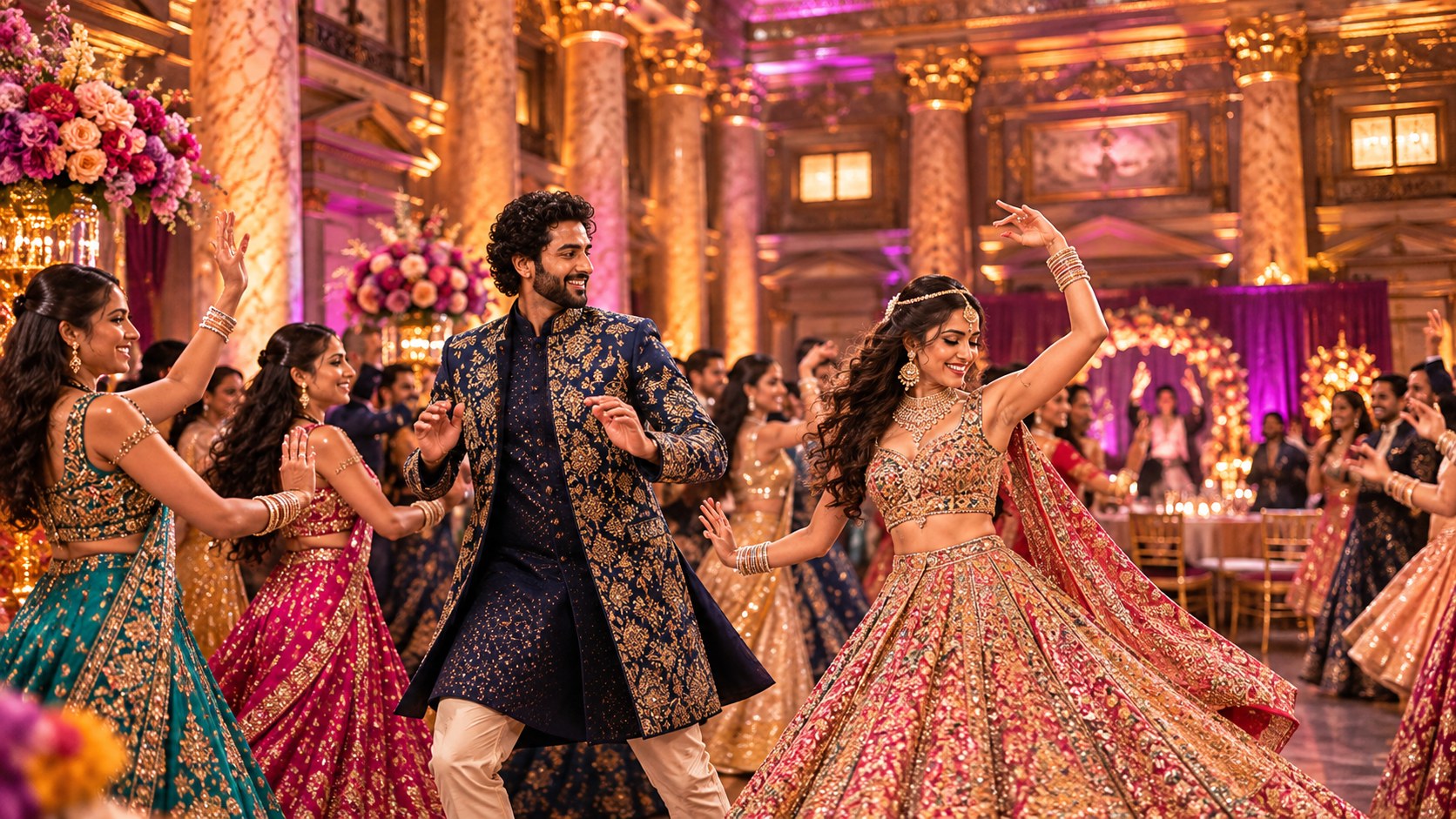
Cultural Venues
Indoor Cultural Wedding Venues in NYC
A cultural indoor wedding venue accommodates heritage wedding traditions — multi-day celebrations, specific ceremonial requirements, and culturally significant decor and catering. In NYC, cultural venues include community halls, cultural institutions, and large banquet halls. This guide covers planning needs, guest experience, catering, layout, climate, accessibility, and venue requirements for a cultural indoor wedding in NYC.
What defines a cultural indoor wedding venue in NYC
A cultural indoor wedding venue accommodates heritage wedding traditions — multi-day celebrations, specific ceremonial requirements, culturally significant decor and catering, and customs that a standard venue may not be set up to support. In NYC, cultural venues include community halls, cultural institutions, religious event spaces, and large banquet halls in neighborhoods with strong cultural communities across Manhattan, Brooklyn, and Queens.
The defining feature of a cultural venue is flexibility and capacity. Many cultural traditions involve large guest counts, multi-event celebrations, specific catering requirements (sometimes multiple cuisines), and ceremonial elements that need space and infrastructure. A fully indoor, climate-controlled venue supports all of this weather-independently — essential for multi-day celebrations that cannot be rescheduled around the forecast.
- ✓Capacity for large guest counts common in cultural celebrations
- ✓Flexibility for multi-day or multi-event celebrations
- ✓Support for specific ceremonial requirements and customs
- ✓Kitchen facilities for culturally specific or multiple cuisines
- ✓Climate-controlled comfort for multi-day events in any season
Guest experience at a cultural indoor wedding
Cultural weddings often involve large, extended-family guest counts and celebrations that span multiple events or days. The guest experience depends on flow at scale, adequate service, and a venue that can accommodate the specific customs — whether that is a baraat, a tea ceremony, a henna night, or a series of traditional processions. A well-chosen indoor venue supports all of this in a controlled, comfortable environment.
Because cultural celebrations often run long and involve multiple events, climate control is especially important. Guests in traditional attire — which can be heavy and warm — need a comfortably cooled space in summer and a warm space in winter. Confirm the climate system is rated for your full guest count and the duration of your celebration. See our guest comfort guide.
Catering and kitchen requirements
Catering is often the most important consideration for a cultural wedding. Many cultural traditions require specific cuisines, sometimes multiple cuisines across events, and preparation methods that need particular kitchen facilities. Confirm the venue's catering policy — whether it allows outside caterers, has a catering kitchen adequate for your needs, and can accommodate dietary and religious food requirements.
Some cultural venues have relationships with caterers who specialize in specific cuisines. Others allow you to bring your own caterer, which is valuable for traditions with specific food requirements. Confirm kitchen facilities, equipment, and any restrictions during your inquiry. This is often the deciding factor in choosing a cultural venue.
- •Catering policy — in-house, preferred, or outside with approval
- •Kitchen facilities adequate for your cuisine and guest count
- •Ability to accommodate multiple cuisines across events
- •Support for dietary and religious food requirements
- •Caterer experience with your specific cultural traditions
Layout and ceremony considerations
Cultural ceremonies often have specific spatial requirements — a mandap, a chuppah, a stage for a tea ceremony, space for a baraat procession, or separate areas for different ceremonial events. Confirm the venue can accommodate your specific ceremonial setup and that the layout supports the flow of your traditions. See our stage design and ceremony layouts guides.
For multi-event celebrations, confirm whether the venue can host multiple events across days or whether you need separate venues for each event. A single large indoor venue that can transform between events is often the most efficient option. See our ceremony-to-reception transition guide for flip strategies.
Climate, decor, and traditions
Cultural decor is often elaborate — vibrant colors, floral installations, fabric draping, ceremonial structures, and traditional decorations that transform the space. A controlled indoor environment protects these decorations from weather and lets you use materials that would be fragile outdoors. Confirm any venue restrictions on decor, rigging, and installations during your inquiry.
For climate, confirm the system handles your full guest count in traditional attire across the full duration of your celebration. Multi-day events put sustained demand on climate systems. Our climate comfort guide covers the full checklist.
Accessibility and venue requirements
Cultural venues vary in accessibility. Community halls and cultural institutions may have been retrofitted for accessibility; others may have limitations. Confirm step-free access, elevator service, and accessible restrooms for your full guest count, which may include elderly family members for whom accessibility is especially important. Our accessibility guide covers what to confirm.
What to confirm at a cultural venue tour
- ✓Catering policy and kitchen facilities for your cuisine
- ✓Capacity for your full guest count across all events
- ✓Climate system rated for full capacity and duration
- ✓Space and layout for specific ceremonial requirements
- ✓Step-free access and elevator service for elderly guests
- ✓Decor, rigging, and installation restrictions
For the full list of questions to ask any indoor venue, see our questions to ask indoor wedding venues guide.